
Simple Food Travel Tips For Students Visiting New Cities
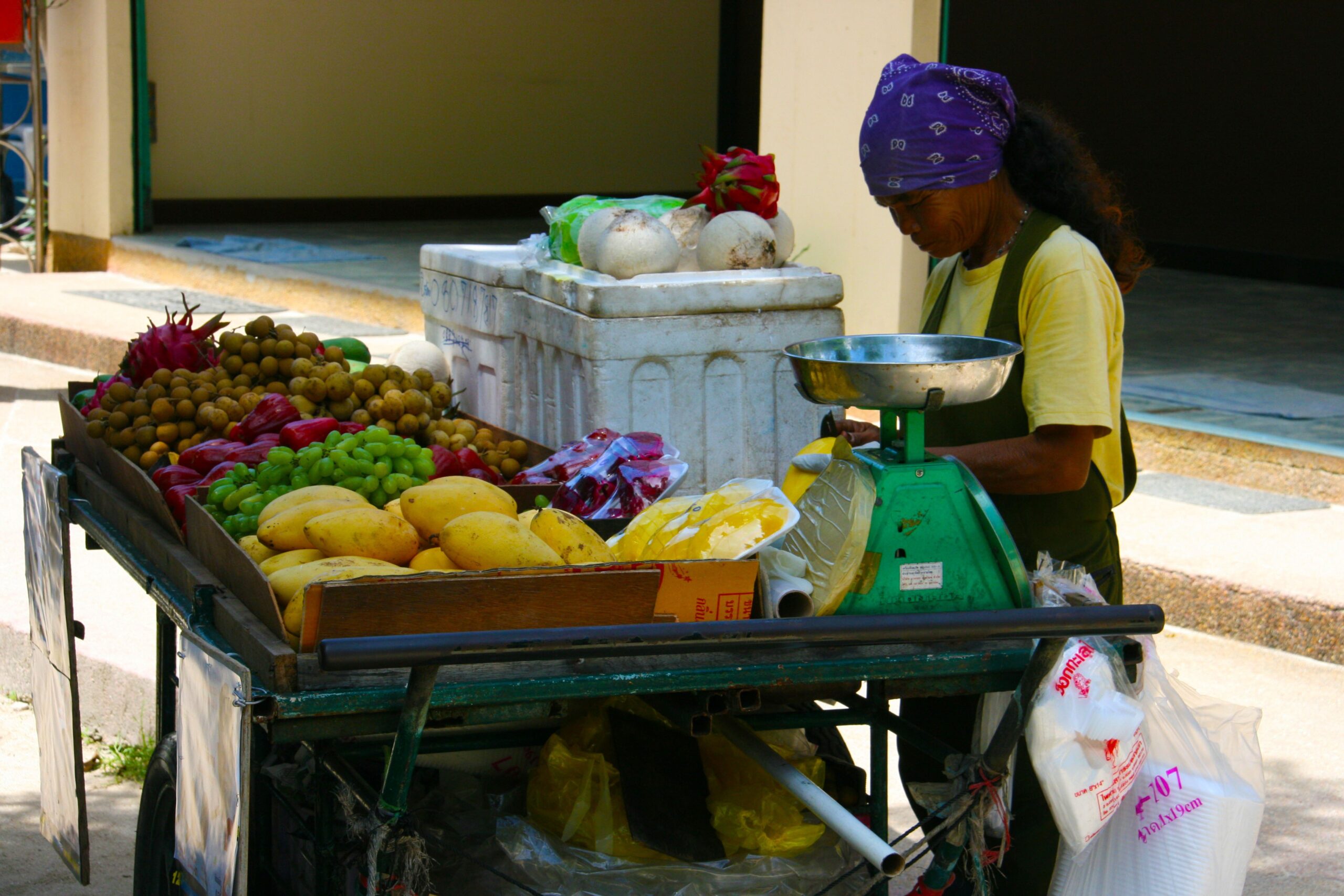 Visiting a new city as a student can feel like opening a brand-new book: every street, café, market, and food stall has a story to tell. However, travel is not only about taking photos and trying famous dishes. It is also about making smart choices, especially when your budget is limited. Students often have many things to pay for, such as transport, study materials, accommodation, activities, and daily meals.
Because of this, food planning becomes an important part of every trip. With a few simple tips, you can enjoy tasty local food, save money, stay healthy, and make your travel experience much less stressful. In this article, we will explore practical food travel tips that help students eat well while visiting new cities without spending too much.
Plan Your Food Budget Before You Arrive
Traveling to a new city as a student is exciting, but food is not the only thing that can drain your wallet. Students often need money for transport, books, tickets, emergency items, and even academic support when deadlines become stressful. That is why planning your food budget matters, especially because some students may feel tempted to pay for a research paper when assignments pile up, and this is a great way to manage everything while traveling. By setting a clear daily food limit before you travel, you can enjoy the city, manage school responsibilities, and avoid spending all your money too quickly.
Start by deciding how much you can spend on food each day. You do not need a perfect plan, but you need a clear limit. For example, you might decide to spend $10 to $20 per day, depending on the city. Once you know your limit, it becomes easier to make smart choices. You will know when to cook, when to grab street food, and when you can enjoy a special meal without feeling guilty.
Also, check whether your accommodation includes breakfast. Many hostels, student hotels, and guesthouses offer free or cheap breakfast. It may not be fancy, but toast, fruit, cereal, or eggs can save you a lot over several days. Think of breakfast as your fuel station. If you fill up early, you will not need to buy expensive snacks every two hours.
Before you travel, search for average food prices in the city. Some cities are famous for cheap street food, while others can be surprisingly expensive. Knowing this in advance helps you avoid shock when you arrive. It also helps you choose better places to eat. After all, why pay too much in a tourist area when a better and cheaper meal may be waiting two streets away?
A simple trick is to divide your food money into daily amounts. You can use cash, a budgeting app, or even notes on your phone. When the day’s food money is almost gone, you will naturally think twice before buying that extra dessert. Small choices can make a big difference, especially when you are traveling on a student budget.
Eat Like a Local, Not Like a Tourist
When students visit new cities, they often make one common mistake: they eat only near famous tourist spots. It feels easy, right? You are hungry, tired, and there is a restaurant right next to the museum or main square. But here is the problem: tourist-area food is often more expensive and less authentic. You may pay more for a meal that tastes less exciting than what locals eat every day.
Instead, try to eat like a local. This is one of the smartest food travel tips because it saves money and gives you a deeper travel experience. Food is not just something you put in your stomach. It is culture on a plate. A city’s food tells you about its history, weather, people, and daily life. Why miss that?
Walk a few streets away from tourist attractions. Look for small restaurants, food stalls, bakeries, and markets where local people are eating. If a place is full of residents, students, workers, or families, that is usually a good sign. It means the food is trusted, fresh, and fairly priced.
You can also ask local students for recommendations. They know where to find filling meals that do not cost too much. Ask questions like, “Where do students usually eat around here?” or “What is a cheap local dish I should try?” Most people enjoy sharing their favorite food spots, especially when you show interest in their city.
Do not be afraid to try simple local dishes. You do not always need a full restaurant meal. In many cities, the best food comes from bakeries, markets, food trucks, or street vendors. A warm sandwich, a bowl of noodles, a local pastry, or a fresh wrap can be more memorable than an expensive dinner.
Use Maps and Reviews Wisely
Food apps and map reviews can be very helpful, but do not follow them blindly. A restaurant with thousands of reviews may be popular because tourists go there, not because it is the best value. Look for places with good recent reviews, clear photos, and comments about price, portion size, and service.
Search phrases like “cheap eats,” “student food,” “local food,” or “budget meals” in the city you are visiting. You can also save places before your trip, so you are not searching while hungry. Hunger makes bad decisions look delicious. We have all been there.
Shop Smart at Markets and Grocery Stores
Eating out every day sounds fun, but it can quickly become expensive. Grocery stores and local markets are your secret weapons. They are like treasure chests for student travelers. You can find affordable snacks, fresh fruit, bread, cheese, drinks, instant meals, and local products without spending too much.
When you arrive in a new city, visit a nearby supermarket or market on your first day. Buy simple items that you can carry in your bag, such as bananas, apples, nuts, crackers, yogurt, or sandwiches. These snacks can save you when you are walking around the city and do not want to spend money at a café.
Markets are also great places to understand local food culture. You can see what people buy, smell fresh bread, taste seasonal fruits, and maybe even try small samples. It is like visiting a museum, but everything is alive, colorful, and edible. Plus, market food is often cheaper and fresher than restaurant food.
If your hostel or apartment has a kitchen, use it. You do not need to be a chef. Cook simple meals like pasta, rice, eggs, soup, sandwiches, or salads. Even cooking one meal a day can help you save money. For example, you can eat breakfast at your accommodation, have a cheap lunch outside, and cook dinner with friends. This balance keeps your trip affordable without making it boring.
Another smart idea is to buy local ready-to-eat meals from supermarkets. Many cities have grocery stores that sell fresh salads, hot meals, sushi boxes, sandwiches, or bakery items at lower prices than restaurants. Some stores reduce prices in the evening, which is perfect for students who want cheap dinner options.
Also, carry a reusable water bottle. Buying bottled water again and again feels cheap at first, but the cost adds up. In many cities, tap water is safe to drink, and you can refill your bottle during the day. This saves money and reduces plastic waste. Your wallet and the planet both win.
Stay Safe and Healthy While Trying New Foods
Trying new food is one of the best parts of travel, but your stomach may not always agree with your sense of adventure. Food safety matters, especially when you are far from home and have classes, tours, or travel plans the next day. Nobody wants to spend a city trip stuck in bed because of one risky meal.
First, watch how food is prepared. If you are buying street food, choose stalls that are busy and have a high turnover. Busy stalls usually sell food quickly, so ingredients are less likely to sit around for too long. Also, look for vendors who cook food fresh in front of you. Hot, freshly cooked food is usually a safer choice than food that has been waiting in the open air.
Pay attention to cleanliness. Are the tables reasonably clean? Does the vendor handle money and food with the same hands? Is the food covered? You do not need to be paranoid, but a few seconds of observation can protect you from a bad experience.
Students often travel with packed schedules, so it is easy to forget basic health habits. Drink enough water, especially if you walk a lot. Eat some fruits and vegetables when possible. Do not survive only on fried snacks, instant noodles, and energy drinks. Your body is not a machine that runs well on chaos forever. It needs real fuel.
Be careful with food allergies and dietary needs. Learn a few important food words in the local language, especially if you cannot eat certain ingredients. Save translations on your phone. You can also show restaurant staff a written note explaining your allergy or diet. This simple step can prevent serious problems.
Balance Adventure With Common Sense
Should you try that strange-looking local dish? Maybe yes. Should you eat seafood from an empty stall in very hot weather? Maybe not. Travel is about adventure, but smart adventure is better than blind risk.
Start with small portions when trying unfamiliar food. This way, you can enjoy new flavors without overwhelming your stomach. If something tastes wrong, smells strange, or looks unsafe, skip it. There will always be another meal. Your health is more important than one food photo.
Make Food Part of Your Travel Experience
Food is not just a travel expense. It is part of the story you will tell later. Years from now, you may forget the name of a street, but you will remember the warm pastry you ate on a cold morning or the spicy noodles you shared with new friends. Food turns a city from a map into a memory.
One great tip for students visiting new cities is to create a small food bucket list. Choose three to five local foods you want to try. They can be famous dishes, street snacks, desserts, drinks, or breakfast items. This gives your trip a fun mission. Instead of asking, “What should I eat?” every day, you already have ideas.
Food can also help you meet people. Invite classmates, hostel roommates, or travel friends to share a meal. Group meals can be cheaper because you can split dishes and try more things. They also make travel feel less lonely. A shared table is like a small bridge between strangers.
You can also join free walking tours that include food recommendations, visit local markets, or attend student events with food. Some cities offer affordable cooking classes, food festivals, or cultural nights. These experiences may cost a little, but they can be worth it if they teach you something new and create strong memories.
Take photos of your meals, but do not forget to enjoy them. Sometimes we focus so much on getting the perfect picture that the food gets cold. Taste first, post later. Travel is not only for your social media; it is for you.
Finally, keep notes about the places you loved. Write down the name of the café with cheap coffee, the bakery with amazing bread, or the market stall with the best dumplings. These notes can help you if you return to the city or if a friend asks for recommendations. You become the helpful traveler with insider tips.
Simple food travel tips for students visiting new cities can make your trip cheaper, safer, and much more enjoyable. Plan your budget, eat like a local, use grocery stores, stay careful with food safety, and let meals become part of your adventure. You do not need a big budget to enjoy great food. With curiosity, smart choices, and a little planning, every student can turn a new city into a delicious experience. So, pack your bag, charge your phone, bring your appetite, and get ready to taste the city one bite at a time.