
How Food Helps Us Connect With People
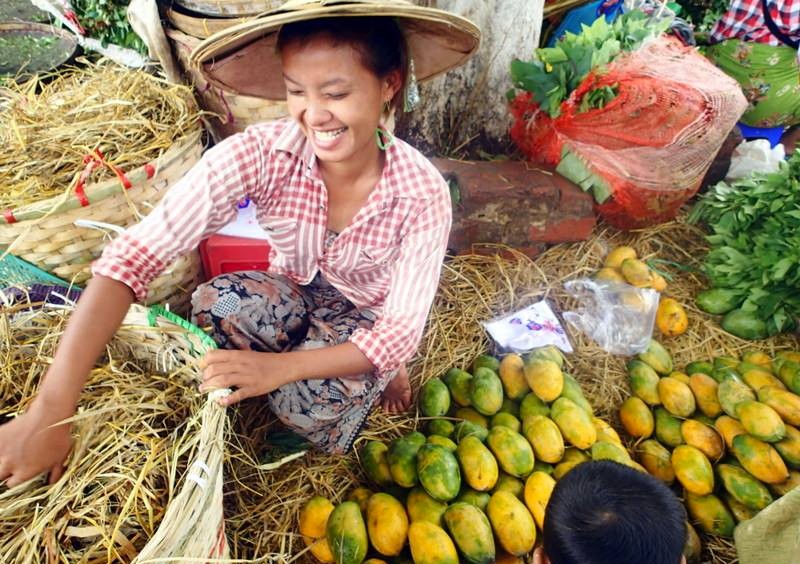 There’s a moment that happens at certain meals that’s hard to explain if you haven’t felt it. You’re somewhere you’ve never been before, eating something you couldn’t have described an hour ago, and across the table or the counter or the plastic stool is someone who gets exactly why you’re there. Not just at this restaurant, but in this city, chasing this particular thing.
It doesn’t happen at every meal. But when it does, it’s one of the best feelings travel produces. The sense of being completely understood by a stranger, mediated by food.
I’ve thought about this a lot, eating my way through markets in Saigon and taco stands in Oaxaca and tiny wine bars in places most people fly over without stopping. The meals I remember most vividly aren’t always the most technically impressive ones. They’re the ones where something clicked. Where the context was right. Where the people around the table shared something underneath the food itself, a way of looking at the world, a sense of what’s worth seeking out, a willingness to go somewhere unfamiliar because the thing at the end of it matters.
That’s not really about food. That’s about values. Food just has a way of making them visible faster than almost anything else.
Why Certain Tables Feel Like Coming Home
The best food communities, the ones that form around a particular market stall or a specific regional cuisine or a style of eating that most people in your hometown have never heard of, aren’t really about the food. They’re about shared sensibility. The food is the signal that tells you who else is paying attention.
When you find someone who seeks out the same obscure regional pasta you’ve been hunting for three cities, or who gets genuinely emotional about a particular style of fermentation, you’re not just finding a fellow food lover. You’re finding someone whose relationship with the world overlaps with yours in a way that goes deeper than taste. They’re curious in the same direction. They think the same things are worth caring about.
This is why eating alone as a traveller is never really eating alone if you’re doing it right. The shared context of being someone who showed up to this specific place for this specific reason creates an instant shorthand. You don’t have to explain yourself. They already know.
The Same Instinct in a Different Context
What food culture has always understood intuitively, that the right shared table makes finding your people dramatically easier, is something that relationship culture is only slowly catching up to.
The platforms most people use to find a partner were designed around very different principles. Volume. Speed. Physical proximity. None of which are particularly good proxies for the thing that actually makes a connection last, which is shared values. The same instinct that makes you trust someone who seeks out the same hole-in-the-wall you found, that recognition of a kindred approach to the world, doesn’t emerge from a photo and a radius.
SALT was founded to give Christians a better way to meet, date, and marry, and it’s built around the same logic that makes the best food communities work. It’s now the largest and most popular privately-owned global dating app for Christians, available in over 50 countries and more than 20 languages, with millions of users. Rather than optimising for proximity and first impressions, it puts values front and centre. Profile badges show what someone actually believes and cares about. Filtering is built around genuine compatibility rather than geography. Users send an intro message before a match is confirmed, which changes the quality of that first contact the same way sitting down at a communal table changes the quality of a meal. There’s in-app video calling and voice notes, human moderation, selfie verification, and fraud detection. The BBC, Vogue, and GQ have all covered it. Its success stories include couples who found each other across different continents through shared faith. The principle is the same one that’s driven the best food discoveries: put yourself in the right environment, with the right kind of shared context, and the people worth finding tend to find you.
The Table as a Model
There’s a reason so many of the world’s most important relationships, personal and professional and political, have been built around shared meals. The table is an equaliser. It slows things down. It creates a context in which who you actually are, curious or generous or particular or adventurous, tends to show up more honestly than it does anywhere else.
The best travel I’ve done has been organised around food, but it’s really been organised around finding the places and people where that shared sensibility exists. The meal is the vehicle. The connection is the point.
That’s true whether you’re hunting for the perfect bowl of pho in a city you’ve never visited before, or looking for a person whose understanding of what a good life looks like overlaps with yours in all the ways that matter.
The table knows. It always has.